AI-Powered Patient Monitoring Software
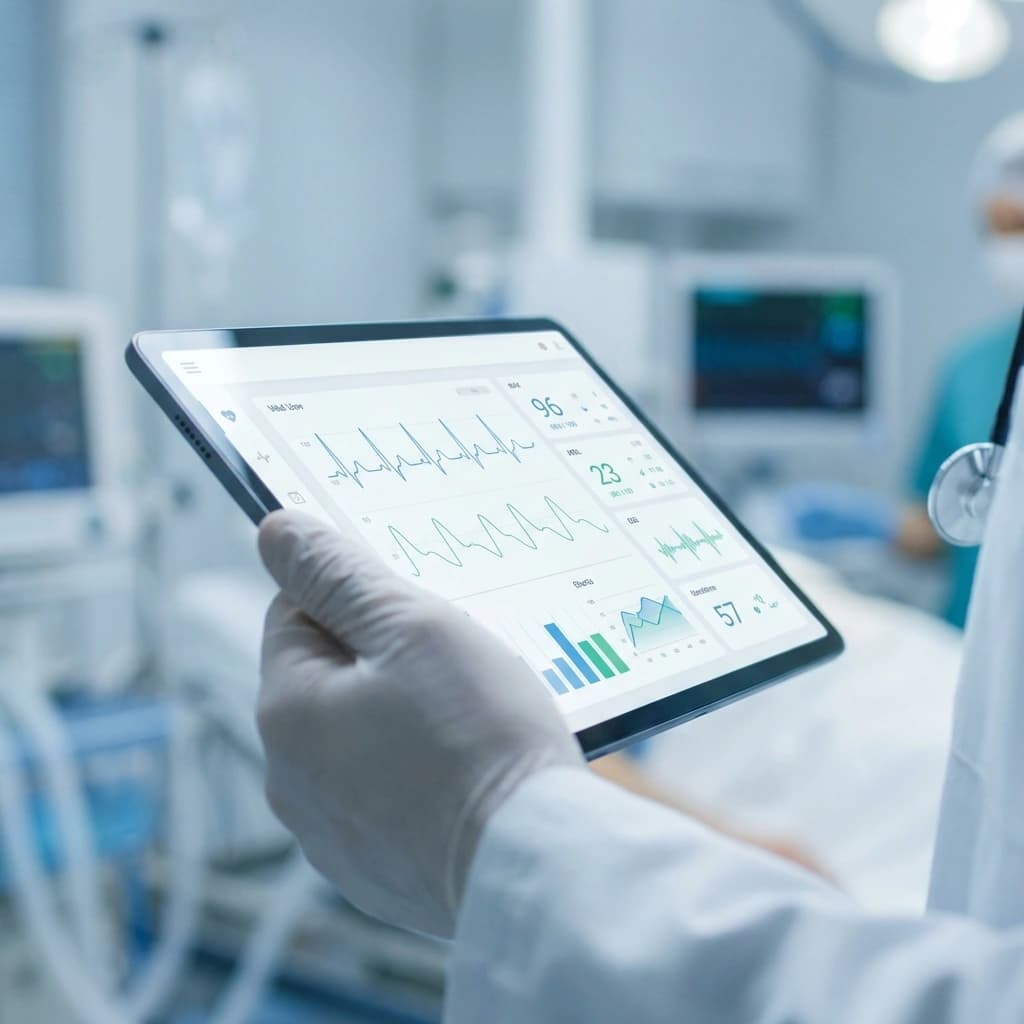
A digital care management solutions company needed to build a tool for smart, non-invasive wound assessment to help monitor patients' recovery remotely. Healthcare professionals required a mobile solution that could accurately document wounds during offline appointments, automatically identify wound characteristics, and provide detailed statistics on the healing process. Patients needed an easy way to regularly send photographs of their wounds to doctors, making remote wound management monitoring more accessible and effective.
33%
fewer patients were hospitalised after implementation of the RPM system
48%
reduction in time per nurse visit
50%
reduction in pressure injury thanks to proactive care capabilities
40%
faster wound healing among RPM solution users
We developed a comprehensive wound care application as part of a remote patient monitoring software suite, delivering native iOS and Android apps fully tailored to the needs of healthcare professionals and patients. Doctors use the app during offline appointments to document wounds by scanning them using smartphone cameras. The system automatically identifies the wound's contour, depth, and dimensions, providing detailed statistics on the healing process. The app is powered with thermal imaging capabilities through integration of an auxiliary Bluetooth-connected camera, allowing clinicians to discern skin temperatures and adding an extra layer of information to wound assessment. Patients use the app to regularly send photographs of their wounds to doctors, making remote monitoring seamless. Doctors can manually input data into the system, adjusting and defining shades of the wound, delineating different affected areas, and providing comprehensive visual mapping for nuanced assessment. Once a wound is logged, the analytical module evaluates healing progress by utilising convolutional neural networks and edge computing. The RPM system can determine wound circumference and type, analyse changes and evolution over time. Medical professionals can add notes, share treatment recommendations, classify wound types, and indicate if urgent care is required. The platform features user roles and permissions, allowing different access levels for staff members. Wound images and metadata are uploaded in real-time to HIPAA-compliant AWS-based storage, minimising data redundancy and guaranteeing all stakeholders have access to the most recent wound data from authenticated devices.
SwiftKotlinAWSTensorFlow LiteOpenCVRoomMixPanelPendoCrashlyticsNewRelicREST APIOkHttpRetrofit